CBD vs THC: Differences, properties and therapeutic applications
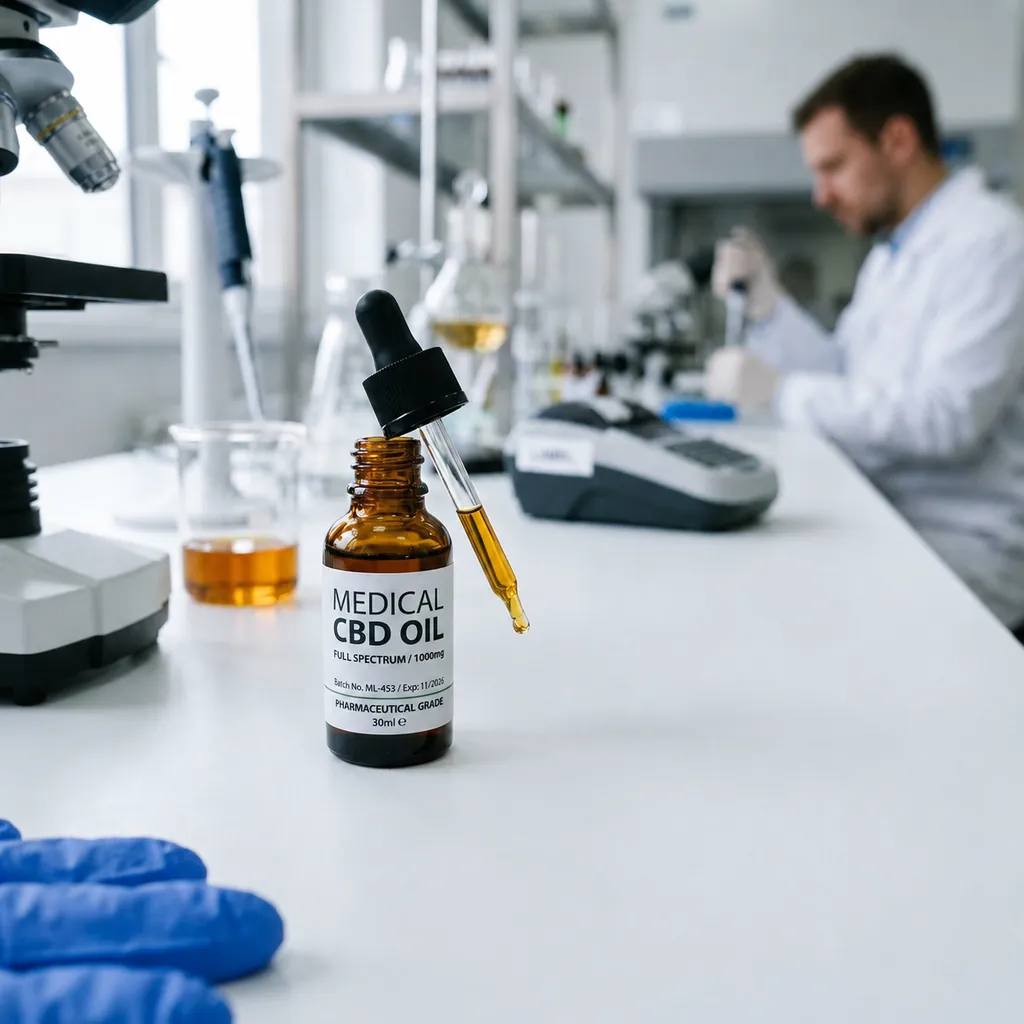
Although both phytocannabinoids come from the cannabis sativa plant, CBD (Cannabidiol) and THC (Tetrahydrocannabinol) have very different metabolic and pharmacological profiles. Understanding those differences is what allows a physician to tailor precise treatments.
Cannabidiol (CBD): non-psychoactive and anti-inflammatory action
CBD does not produce intoxicating effects. It interacts indirectly with the CB1 and CB2 receptors, showing notable anti-inflammatory, anxiolytic, neuroprotective and analgesic potential. It is frequently used in the management of chronic stress, sleep disorders, arthritis and fibromyalgia.
Tetrahydrocannabinol (THC): potent analgesic and pain modulator
THC is the compound with direct affinity for the CB1 receptors in the central nervous system. In controlled medical doses and under professional supervision, it is essential for managing severe neuropathic pain, spasticity in multiple sclerosis and appetite stimulation during cancer treatment.
"Combining CBD and THC in personalized ratios enhances the 'entourage effect', maximizing symptom relief."
Other news and bulletins

Law 10113: medical cannabis in Costa Rica
Read article
Your virtual assessment step by step
Read article